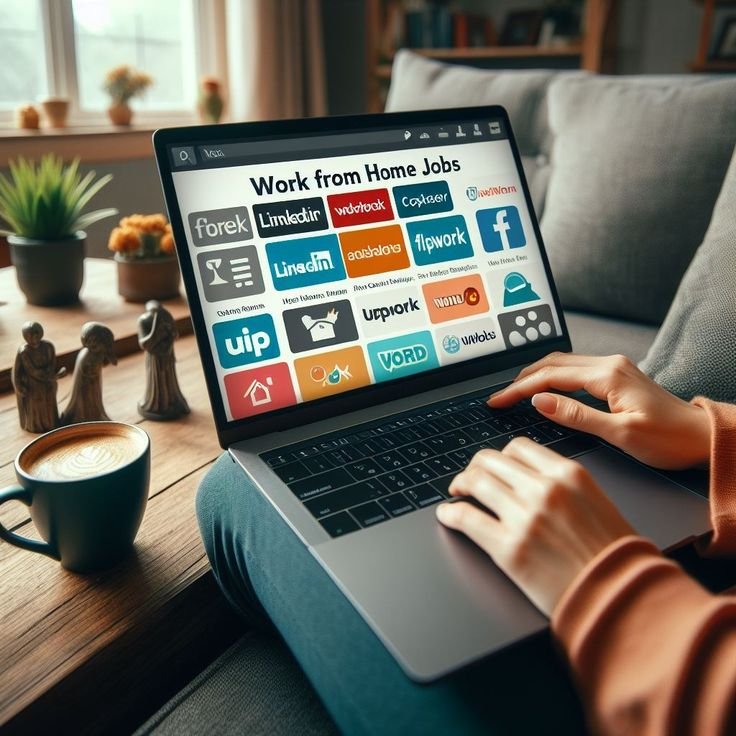
Remote jobs work involves carrying out professional duties from diverse locations outside a traditional office environment. Businesses use remote specialists across disciplines such as information technology, customer support, digital marketing, finance, human resources, virtual administrative assistance, sales support, data analytics, and project management.
Remote professionals typically organize daily workflows using cloud-based applications, project management platforms, video conferencing tools, Customer Relationship Management (CRM) systems, and modern digital communication systems. These solutions enable employees to collaborate with team members, communicate with customers, handle projects, share files, and
complete assigned responsibilities from various geographical locations.
Effective remote work requires excellent communication skills, effective time management, and self-management organization, adaptability, and the ability to manage their responsibilities independently. Workers must also safeguard confidential data and follow company security and communication policies.
Employers can support efficient remote work by outlining clear duties and measurable performance standards performance goals, working schedules, communication workflows, and consistent performance reviews. Providing employees with relevant technology and skills training is also essential.
A well-structured remote work model enables businesses to connect with skilled professionals beyond geographical limitations, improve workforce flexibility, and optimize operational costs while giving professionals greater workplace flexible environment.